
800mm bathroom mirror
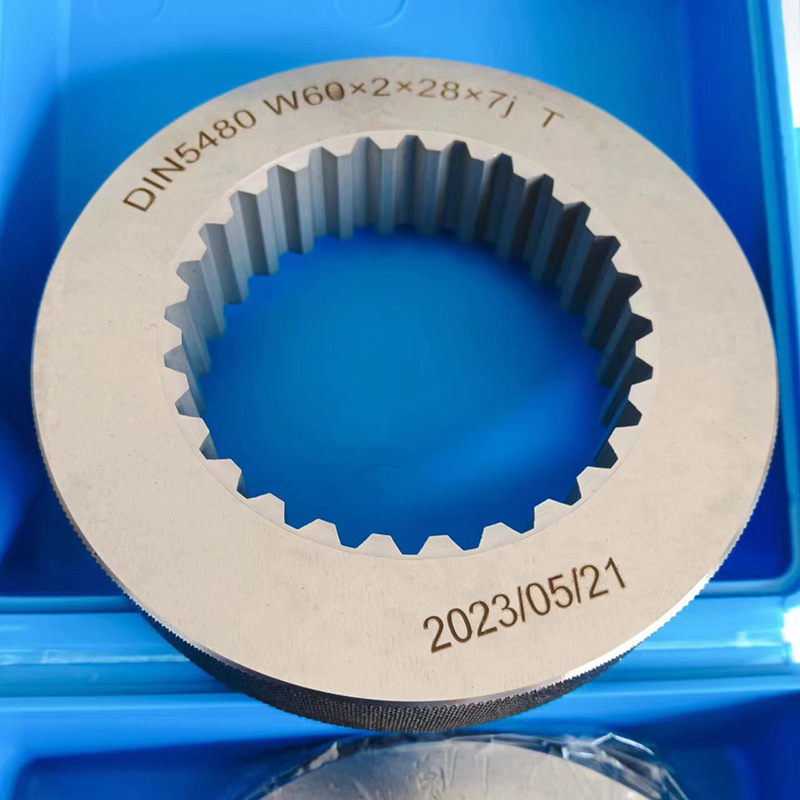
Understanding the Taper Gauge A Comprehensive Overview In the world of precision engineering and manufacturing, the taper gauge is an essential tool that plays a critical role in ensuring the accuracy and reliability of various components. Specifically, the taper gauge with a size of 1 to 15 mm (often referred to simply as a taper gauge 1 15 mm) serves specific applications due to its unique design and capabilities. In this article, we will explore the significance, functionality, and applications of the taper gauge, providing a detailed overview to enhance your understanding. What is a Taper Gauge? A taper gauge is a measuring instrument designed to determine the taper or angle of an object. It typically consists of a graduated blade that is tapered at one end and flat at the other. The gauge is used to measure the size of holes, the alignment of surfaces, and the dimensions of various tapered fittings. The versatility of the taper gauge allows it to be used in a variety of fields, including manufacturing, construction, and maintenance. By providing precise measurements, it ensures that parts fit correctly and that the dynamics of mechanical systems operate smoothly. Design and Features of a Taper Gauge 1 15 mm The taper gauge 1 15 mm is characterized by its range of measurement from 1 millimeter to 15 millimeters. This range makes it particularly useful for applications where flexibility and precision are required. Its tapered design allows it to easily enter holes or gaps of varying sizes, enabling technicians to assess the diameter and alignment of drilled holes, pipes, and other cylindrical features. Typically made from durable materials such as stainless steel, taper gauges are designed to withstand wear and tear, ensuring longevity and consistent performance. Many taper gauges come with clear, easy-to-read markings, allowing users to take measurements quickly and accurately. Applications of Taper Gauges taper gauge 1 15mm 1. Manufacturing In manufacturing, taper gauges are invaluable for quality control. They are used to verify the accuracy of machined parts, ensuring that the dimensions meet specified tolerances. Any deviation can be identified and corrected early in the production process, reducing waste and improving overall quality. 2. Plumbing and Pipefitting Taper gauges are often used by plumbers and pipefitters to measure the size of pipes and fittings. This ensures that connections are tight and secure, preventing leaks and ensuring the integrity of the plumbing system. 3. Automotive Industry In the automotive sector, taper gauges are used to measure wheel bearings, axles, and other critical components. Accurate measurements are essential for ensuring the safety and performance of vehicles on the road. 4. Construction Contractors and builders use taper gauges to check the alignment and dimensions of structural components. This ensures that everything fits together correctly, maintaining the integrity of the building structure. 5. Machining and Fabrication In machine shops, taper gauges are employed for checking the dimensions of holes that will receive tapered pins or shafts. This ensures proper fit and function, which is crucial for mechanical assemblies. Conclusion The taper gauge 1 15 mm is a vital tool in various industries, providing precision measurements that contribute to the overall quality and efficiency of manufacturing, construction, and maintenance tasks. Its versatility, ease of use, and accuracy make it an indispensable asset for professionals in numerous fields. As technology advances and industries evolve, the importance of precise measurement tools, like the taper gauge, continues to grow. By understanding the functionalities and applications of the taper gauge, professionals can enhance their skills and ensure the reliability and safety of their projects. Whether you're a seasoned technician or someone new to the trade, familiarizing yourself with taper gauges will undoubtedly enhance your understanding of precision engineering and contribute to your success in various applications.
about
800mm bathroom mirror
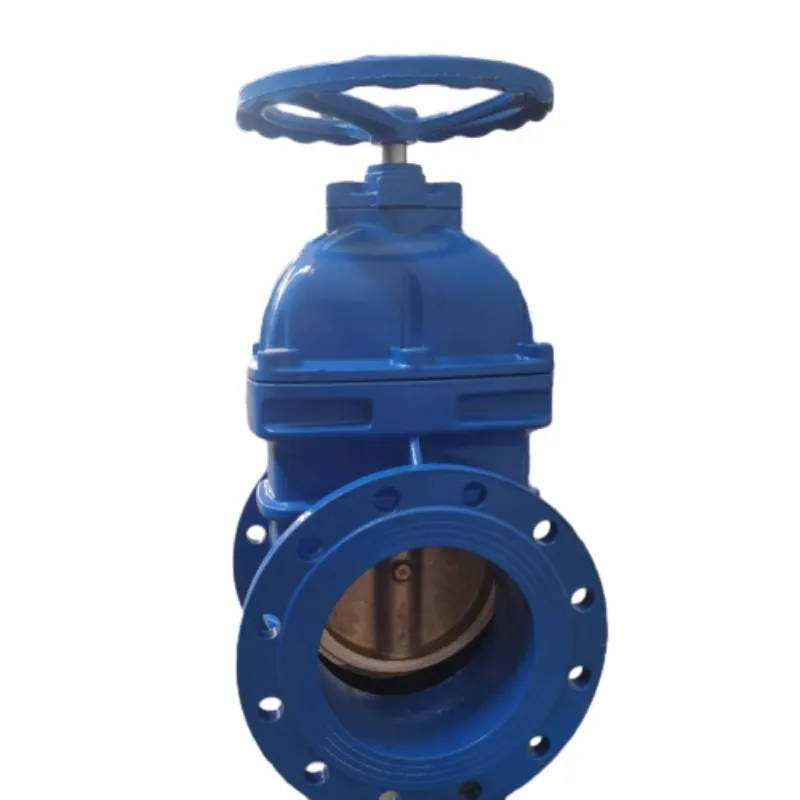
Understanding Pressure Water Valves A Comprehensive Guide Pressure water valves are critical components in various plumbing and industrial systems, playing a crucial role in maintaining efficient water flow and ensuring safety. In this article, we will explore the principles of pressure water valves, their various types, applications, and maintenance practices. What is a Pressure Water Valve? A pressure water valve is a device designed to control the pressure of water within a system. By regulating the amount of water that flows through pipelines, these valves prevent potential damage to the infrastructure and ensure that the water pressure remains within safe operational limits. They are widely used in residential, commercial, and industrial settings. Types of Pressure Water Valves 1. Pressure Reducing Valves (PRVs) These valves automatically reduce and maintain the pressure of water entering a system. They are essential in preventing high-pressure damage to pipelines and appliances, ensuring that pressure levels remain safe for operation. 2. Pressure Relief Valves (PRVs) Often used as safety devices, pressure relief valves are designed to open and release excess pressure from a tank or pipeline to prevent catastrophic failures. They play a vital role in maintaining the integrity of water storage systems. 3. Pressure Regulating Valves (PRGs) Similar to pressure reducing valves, pressure regulating valves maintain a consistent output pressure regardless of varying input pressures. This feature is critical for ensuring steady water flow in irrigation systems and other applications. 4. Float Valves These valves use a buoyant float to control water flow based on the water level in a tank. Commonly found in toilets and water storage tanks, float valves ensure that water levels remain balanced without overfilling. Applications of Pressure Water Valves Pressure water valves are used in a wide array of applications, including - Residential Plumbing In homes, pressure reducing valves prevent high water pressure from damaging pipes and appliances. This is particularly important in older homes where plumbing systems may not be designed to handle high pressure. pressure water valve - Irrigation Systems Effective agricultural practices rely on pressure regulating valves to maintain optimal water pressure for irrigation. This ensures uniform distribution and prevents water wastage. - Industrial Processes Industries that require precise water pressure for manufacturing processes depend on pressure relief and reducing valves to maintain operational safety. These valves safeguard against fluctuations that could lead to equipment failure or safety hazards. - Water Treatment Facilities In municipal water systems, pressure water valves help in controlling the flow of treated water, ensuring that water distribution networks operate smoothly. Maintenance of Pressure Water Valves Proper maintenance of pressure water valves is essential for ensuring their longevity and functionality. Here are some best practices 1. Regular Inspection Schedule routine inspections to check for signs of wear, corrosion, or leaks. Address any issues promptly to prevent escalation. 2. Cleaning Over time, sediment and debris can accumulate within valves, affecting their performance. Clean the valves as necessary, especially in areas with hard water. 3. Calibration For valves that require precise pressure settings, regular calibration is vital. Ensure that the pressure settings are aligned with the system’s requirements. 4. Replace Worn Parts If any components of the valves show signs of damage or wear, replace them immediately to maintain optimal performance. 5. Professional Services Consider hiring professional services for complex systems or when dealing with critical infrastructure. Experts can provide comprehensive maintenance and ensure compliance with safety standards. Conclusion Understanding pressure water valves is essential for anyone involved in plumbing, irrigation, or industrial processes. By familiarizing oneself with the different types of valves, their applications, and maintenance practices, individuals and organizations can enhance water management systems, ensuring efficiency, safety, and longevity. As technology advances, the development of more sophisticated pressure water valves promises even greater reliability and performance in water management systems worldwide. By investing in quality valves and adhering to maintenance protocols, we can ensure the integrity of our water supply and protect our infrastructure for future generations.
-

High quality industrial productsagement

High quality industrial products
View Details -

Meet the diverse needs of customers

Meet the diverse needs of customers
View Details -

Strict quality control

Strict quality control
View Details -

Top raw materials

Top raw materials
View Details -

Trusted supplier

Trusted supplier
View Details
Our application


news and information
Utilize brackets for wood connection
The Indispensable Role of Brackets in Wood Joinery In the realm of woodworking, brackets play an es

Van cổng 6 inch giá
Giá van cổng 6 inch Một số thông tin cần biết Van cổng là một trong những thiết bị quan trọng trong

What is the Difference Between Butterfly Valve and Gate Valve
Butterfly valves and gate valves have significant differences in multiple aspects, mainly reflected
 English